Pressure Washing vs. Soft Washing: Which Method Is Safest for Your Orange County Home?
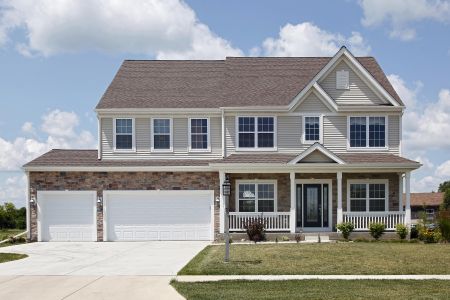
In coastal neighborhoods from Downtown Huntington Beach to SeaCliff and Huntington Harbour, salt air, sun, and marine layer create the perfect mix for algae, mildew, and grime. As a local pressure washing provider, Better Home Pros Pressure Washing LLC helps homeowners choose the right approach for each surface so the clean lasts and the finish stays protected. If you have streaks or moss on tile or shingle roofing, soft washing your roof often delivers a gentle, longer-lasting result.
Soft Washing vs. Pressure Washing: Quick Overview
Both methods remove buildup, but they work in different ways. Pressure washing relies on high-pressure water to break up heavy grime on hard, durable surfaces. Soft washing uses specialized detergents and low pressure to lift organic growth while protecting paint, stucco, and roofing materials. The safest choice depends on the material, the type of staining, and the condition of the surface.
What Is Soft Washing and Why It Works in Huntington Beach
Soft washing pairs low water pressure with detergents designed to break down organic growth like black algae, mildew, and moss. On stucco, painted siding, and older wood, it cleans below the surface film instead of blasting the top layer. That matters in Huntington Beach where coastal fog and sea breeze push moisture into tiny texture pockets. A true soft wash cleans those pockets while keeping coatings intact.
Tip: If you see dark roof streaks or green film returning quickly along shaded north sides, those are signs a low-pressure soft wash is the safer and more effective option.
When Pressure Washing Makes Sense
Pressure washing shines on durable, non-coated materials that can handle force. Think driveways near Goldenwest, garage floors, block walls, and many paver patios where tire marks, sand, and oil demand muscle. On these surfaces, the goal is to dislodge heavy grime, then rinse it away clean. The key is matching pressure and nozzles to the material so you clean thoroughly without scarring the surface.
Surfaces: Match the Method to the Material
- Use soft washing for: stucco, painted siding, trim, screens, composite or shingle roofs, wood fences and decks, and delicate exterior fixtures.
- Use pressure washing for: concrete driveways, most pavers, stone, brick, and certain metal or hard plastic surfaces that can handle higher force.
Warning: High pressure on stucco, soft wood, or roof shingles can strip coatings, etch patterns, or force water under layers, leading to costly repairs.
Coastal homes in Huntington Beach see fast algae regrowth due to moisture from the marine layer. Treating the root of the growth with a low-pressure soft wash helps slow the return, which saves time between cleanings and helps protect finishes.
How Coastal Climate Affects Your Exterior
Orange County’s mix of ocean breeze, salt spray, and strong sun accelerates wear. In Sunset Beach and along the bluffs toward Bolsa Chica, salt can cling to textured stucco and roof tiles, feeding algae and dulling paint. Morning marine layer keeps surfaces damp, so spores multiply in the tiniest cracks. Soft washing helps because detergents target the growth itself, not just the surface stain. Many homeowners find that starting routine maintenance with soft washing in Huntington Beach, CA extends the life of paint and roofing finishes.
Soft Wash vs. Pressure Wash: Choosing by Stain Type
Not all stains are alike. The right method depends on what is actually on the surface:
- Organic growth like algae and mildew: choose soft washing to break down the growth and slow its return.
- Ground-in dirt, tire marks, and sand: choose pressure washing on hard surfaces like concrete or stone.
- Mixed staining on textured or coated materials: start with soft washing to protect the finish, then reassess problem spots.
Good to know: Detergents in a soft wash do the heavy lifting, so water pressure stays low. That helps you avoid surface damage while still getting a deep, even clean.
Common Surfaces Around Orange County Homes
Roofs: Clay tile and composition shingle roofs are common from Seacliff to South Huntington Beach. Tiles can crack and shingles can lose granules under high pressure. A controlled, low-pressure detergent application, like the approach used in our professional roof soft wash, cleans gently and helps deter streaks from returning.
Walls and Trim: Stucco and painted fiber cement look great after a soft wash because the texture traps fine growth. Low pressure protects color and reduces the chance of water intrusion. Where there is heavy grime on a block wall or stone, pressure washing can be used with the proper tip and distance.
Driveways and Walkways: Concrete near beach entries collects sand and tire marks. Pressure washing is effective here, often followed by a light detergent rinse for uniform color.
Safety, Plants, and Nearby Surfaces
Any exterior clean should balance results with care for landscaping and fixtures. Experienced technicians pre-wet sensitive plants, protect outlets, and shield hardware. Detergent strength and dwell time are carefully controlled. Important: When in doubt, test in an inconspicuous area first to confirm the right method for your home’s materials.
Soft Washing for Siding and Trim
Huntington Beach homes often feature stucco, painted fiber cement, and wood accents. The porous profile of these materials benefits from low-pressure cleaning that reaches tiny crevices. If your siding looks chalky or faded, a soft wash can remove contaminants without accelerating wear. For a deeper exterior refresh on walls and trim, many residents pair a roof treatment with soft washing your siding for a consistent, curb-appeal boost.
How Often Should You Clean?
Frequency varies by exposure, landscaping, and proximity to the water. Homes within a few blocks of the beach or the harbor usually see faster buildup. Many homeowners schedule a gentle wash in late spring and another light service in early fall to handle summer salt and winter moisture. Shaded north-facing sides may need attention sooner than sunlit exposures.
Why Method Matters for Long-Term Value
The right choice protects your finishes and your warranty terms. Some roofing and paint manufacturers advise against high-pressure cleaning on certain materials. By using low pressure with the correct detergents, a soft wash cleans thoroughly while helping coatings last longer. In the long run, careful method selection can reduce repainting and spot repairs.
How Better Home Pros Pressure Washing LLC Approaches Your Home
As a local pressure washing team, we inspect materials, note problem areas, and choose the safest method for each surface. We adjust detergent strength for coastal growth, set controlled pressure, and use wide fan tips on delicate areas. Walkways may be pressure washed while siding and roofing receive a soft wash. We protect fixtures and landscaping, then finish with a thorough rinse for an even, fresh look.
Real-World Scenarios Around Huntington Beach
Downtown cottages often have older stucco and wood trim. A soft wash lifts years of salt and soot without lifting paint. In Huntington Harbour, shaded sides near waterways collect stubborn algae that respond best to a low-pressure detergent mix. On larger driveways in SeaCliff, controlled pressure rinsing removes tire marks while keeping expansion joints intact. Each area benefits from choosing the right method in the right spot.
Signs You Should Choose Soft Washing
Look for these common triggers that point to a gentler approach:
- Black streaks on shingles or clay tile
- Green film on shaded stucco and painted trim
- Peeling, chalking, or older paint that needs care
- Decorative wood, composite siding, or delicate fixtures nearby
Reminder: The cheapest quick blast is rarely the best value if it shortens the life of your roof or paint.
Ready For A Safer Clean?
Protecting your home’s finishes starts with the right plan. If your roof, stucco, or trim shows algae or salt film, a low-pressure treatment will likely be safer and look better. To discuss the best method for your materials or to schedule a roof-friendly cleaning, call 714-465-5612 or explore our approach to a professional roof soft wash with Better Home Pros Pressure Washing LLC today.
Let’s Make Your Property Shine Schedule Your Pressure Washing in Huntington Beach Today